
Felelős szerencsejáték Hogyan kerüljük el a veszteségeket
junio 24, 2026Dutch speel nu: overzicht en opties voor Belgische spelers
junio 24, 2026Heavy Duty Plastic Box Handles Built to Withstand Daily Abuse
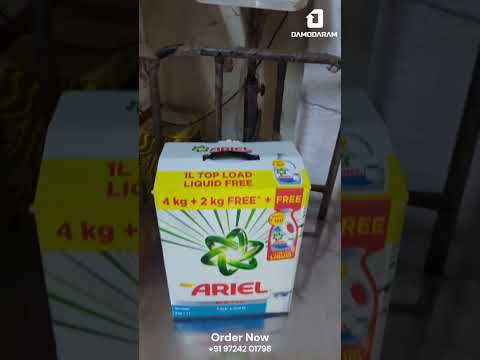
The plastic handle for a box is an essential upgrade for any container requiring reliable portability. It integrates directly onto the box surface, typically through rivets or screws, providing a firm grip that prevents accidental drops. This handle offers ergonomic comfort, distributing weight evenly to reduce strain during lifting or carrying. Simply attach it to your box using the provided hardware for immediate, effortless transport.
Why a Well-Designed Carry Grip Matters for Storage Solutions
A well-designed plastic handle for box transforms a storage solution from awkward to effortless. When packing totes for a move, that grip is the difference between a smooth lift and a strained wrist. A poorly shaped handle digs into your palm, forcing you to carry a load with one hand while the other uselessly stabilizes the box; a contoured plastic handle distributes weight evenly, making a heavy bin feel balanced. The integration of finger grooves ensures you never lose hold on a damp or dusty surface, which is crucial when stacking containers in a garage. Without this thoughtful design, the box becomes an obstacle, not a tool. The handle is the direct interface between you and your storage, so its ergonomics dictate whether you can efficiently carry a stack of boxes or end up dropping them.
How the Right Holding Mechanism Affects User Comfort and Safety
The right holding mechanism directly dictates both comfort and safety when using a plastic handle for a box. A poorly designed mechanism, such as a rigid, non-contoured attachment, creates pressure points that dig into the palm, causing fatigue and pain during extended carries. Conversely, an ergonomic mechanism that distributes weight evenly across the hand minimizes strain, allowing for a secure, relaxed grip. This prevents the box from slipping, which is a primary injury risk. For optimal safety, the mechanism must also lock the handle firmly to the box, eliminating wobble.Secure weight distribution achieved through a contoured and locked attachment is therefore critical. The sequence for achieving this is clear:
- Ensure the handle’s base mold matches the box’s load profile to prevent tilting.
- Verify the locking clips or screws create a vibration-resistant fit.
- Test that the handle’s pivot point aligns with the box’s center of gravity to avoid wrist torque.
These factors collectively ensure the handle remains a comfort tool, not a hazard.
The Link Between Grip Ergonomics and Box Portability
The link between grip ergonomics and box portability is direct: a poorly shaped plastic handle forces awkward wrist angles, sapping lifting power and risking drops. An ergonomic contour, designed to distribute pressure across the palm’s fleshy pad, converts raw strength into stable, effortless movement. This adaptive contouring reduces hand fatigue during repeated carries, allowing a heavy box to feel lighter and more responsive to directional shifts. When the handle aligns naturally with the hand’s grip reflex, ergonomic portability enhances overall load control, turning a cumbersome container into a manageable tool for consistent transport.
Key Materials Used in Manufacturing Durable Container Handles
For a durable plastic handle for a box, material choice dictates performance. Polypropylene (PP) offers excellent fatigue resistance, making it ideal for living hinges that flex repeatedly. High-density polyethylene (HDPE) provides superior impact strength and weather resistance for heavy-duty boxes. For maximum rigidity and heat tolerance, glass-filled nylon (PA6/PA66) is used, though it’s more brittle. A key insight is:
The best handle material marries tensile strength with enough flexibility to absorb shock, preventing snap-failure under heavy loads.
Avoid generic polystyrene for load-bearing handles, as it cracks easily under stress. Each polymer’s specific additive package—like UV stabilizers or glass fibers—directly impacts the handle’s lifespan and grip security.
Polypropylene vs. ABS: Selecting the Best Resin for Your Needs
When selecting the best resin for box handles, the choice hinges on the specific stress profile of the application. Polypropylene (PP) offers excellent fatigue resistance and chemical stability, making it ideal for living hinges or handles subject to repeated flexing. In contrast, ABS provides superior impact strength and rigidity, better suited for carrying heavier loads where denting or cracking is a concern. For outdoor use, PP outperforms ABS in UV stability without coatings. Prioritize impact versus fatigue tolerance: ABS for robust, static grip strength; PP for flexible, long-cycle durability.
Recycled and Eco-Friendly Options for Sustainable Packaging
Choosing recycled and eco-friendly options for sustainable packaging transforms the plastic handle for box into a greener component. Post-consumer recycled (PCR) polypropylene offers the same durability as virgin resin, diverting waste from landfills. Biodegradable bioplastics, derived from agricultural byproducts, provide a viable alternative for handles that break down under industrial composting conditions. Single-material designs also enhance recyclability by avoiding mixed components.
- Use PCR content to reduce virgin plastic dependency without sacrificing handle strength.
- Opt for certified compostable bioplastics for handles intended for organic waste streams.
- Design handles for easy detachment, enabling separate recycling from the box.
Metal-Reinforced Variants for Heavy-Duty Tote Applications
For heavy-duty tote applications, standard plastic handles often flex or snap under excessive weight. Metal-reinforced variants solve this by embedding a steel or aluminum core within the handle’s grip, typically overmolded with durable polypropylene or nylon. This construction prevents the handle from stretching or breaking when hauling dense loads like tools, bulk hardware, or industrial parts. These handles also resist cracking in cold environments where unreinforced plastic becomes brittle. You get the comfortable grip of plastic with the load-bearing confidence of metal. Metal-reinforced handle cores are a straightforward upgrade for demanding totes.
- Embedded steel or aluminum core prevents handle deformation under heavy weight.
- Overmolded plastic (polypropylene or nylon) protects grip comfort and resists cold-weather brittleness.
- Eliminates common breakage points where standard handles attach to the tote body.
Design Features That Enhance Grip Performance
The primary design feature that enhances grip performance on a plastic handle for a box is the integration of ergonomic contours. A contoured, non-slip surface directly counters the low friction inherent to rigid plastics. This often involves a textured pattern, such as ribbing or a soft-touch overmold, to increase tactile friction. A pronounced finger groove or a flared palm rest distributes load pressure, preventing the handle from rotating in the hand.
An angled grip orientation relative to the box’s center of gravity minimizes wrist strain and improves controllability.
The handle’s profile must also avoid sharp edges, ensuring a comfortable, secure hold even under heavy loads or in slightly wet conditions.
Textured Surfaces and Contours for Non-Slip Handling
A plastic handle for a box with good grip relies heavily on textured surfaces for non-slip handling. Instead of a smooth finish, designers add raised dots, crosshatch patterns, or even fine ridges directly into the mold. These tiny bumps catch your skin and glove fabric, preventing slip when your hands are sweaty or slightly wet. Contours also matter: a subtle finger groove or a slightly curved palm swell cradles your hand naturally. This shape increases contact area, so you don’t have to squeeze as hard. Together, the texture and form keep the box secure, even during quick lifts.
- First, a small-scale diamond or pebble texture is molded into the contact area.
- Next, the handle shape is designed with a gentle dip or flare to cradle the palm.
- Finally, deeper grooves or rib lines are added along the underside for fingertip traction.
Folding and Recessed Styles for Space Efficiency
Folding and recessed styles transform a plastic handle for box from a protruding obstacle into a space-saving asset. When not in use, a folding handle collapses flush against the box surface, eliminating snag hazards and enabling tight side-by-side stacking. A recessed handle is carved directly into the container’s wall, creating a seamless grip cavity that preserves the box’s outer dimensions for efficient palletizing. These designs enhance grip performance by ensuring the handle is always in reach yet completely out of the way when stored. Recessed handle integration is especially crucial for maximizing storage density in warehouses.
Q: When should I choose a folding handle over a recessed one?
A: Choose folding if your box needs a protruding grip for heavy loads, yet must fold flat for stacking; choose recessed for a permanently flush profile that maximizes shelf space.
Weight Capacity Considerations in Handle Construction
Weight capacity in plastic handle construction directly determines safe load limits. A handle’s thickness, specifically at the stress concentration points near the box attachment, must be engineered to support the box’s maximum intended weight without permanent deformation or fracture. Ribbing or gussets added inside the handle body redistribute tensile forces along the part’s length, preventing shear failure at the grip base. Even a handle rated for 50 pounds may snap under dynamic loading if its cross-section lacks sufficient wall thickness to resist bending moments.
Q: How does handle wall thickness affect weight capacity?
A: Thicker walls increase the handle’s moment of inertia, raising its bending strength proportionally; manufacturers often double wall thickness in high-corner-radius zones to achieve a higher load rating without adding overall bulk.
Installation Methods and Attachment Techniques
To attach a plastic handle to a box, the most common method is using mechanical fasteners. You’ll typically find pre-drilled holes in both the handle and the box, where you simply insert screws or bolts from the inside and tighten them with a screwdriver. For a tool-free option, many plastic handles use snap-fit attachment—you just press the handle’s prongs into matching slots until they click securely into place. If you’re replacing a broken handle, measure the hole spacing first to ensure a match. Always hand-tighten screws to avoid stripping the plastic threads, and for heavy-duty boxes, use washers to distribute the load.
Snap-Fit and Rivet-Based Systems for Secure Mounting
Snap-fit and rivet-based systems offer reliable ways to keep a plastic handle firmly attached to its box. Snap-fit designs rely on flexible plastic tabs that click into a locked position as you press the handle down, providing tool-free attachment for quick assembly. Rivet-based systems, using either plastic or metal rivets, create a permanent, rattle-free joint that withstands heavy lifting. For snap-fits, handle for box ensure the box’s mounting holes align precisely to prevent stress fractures. With rivets, a simple hand tool or press is all you need; just avoid over-tightening, which can crack the handle. Both methods eliminate the need for screws, giving you a clean, secure mount.
Molded-In vs. Retrofit Handles: Pros and Cons
When installing a plastic handle for a box, the choice between molded-in and retrofit handles hinges on production volume and durability. Molded-in handles are formed integrally during the box’s manufacturing, offering superior strength and zero risk of detachment, making them ideal for heavy-duty or one-piece construction. Retrofit handles, conversely, are attached post-production via screws, adhesives, or rivets, allowing for easy replacement or upgrading on existing boxes. However, retrofit handles may loosen over time or create stress points. The primary trade-off is long-term security vs. installation flexibility, where molded-in options eliminate failure points but require a committed design.
Molded-in handles provide permanent, high-strength integration at the cost of design inflexibility; retrofit handles offer replaceability and easy installation but risk stress failure over time.
Tools and Best Practices for DIY Handle Replacement
For replacing a plastic box handle, a Phillips-head screwdriver and masking tape are essential tools. Use tape to prevent the screwdriver from slipping and scratching the plastic. Always pre-drill new screw holes with a drill bit slightly smaller than your screw diameter to prevent the plastic from cracking. Securely tighten all screws evenly to avoid warping the handle’s base. If the original threads are stripped, apply a drop of thread-locking adhesive for a firm hold. Q: What if a screw won’t grip the old plastic hole? A: Insert a plastic wall anchor or a small cable tie into the stripped hole before driving the screw, creating a tight, new grip.
Industry-Specific Applications for Carrying Grips
In logistics and warehousing, a plastic handle for box is a carrying grip engineered for repetitive lifting of standardized tote bins, reducing hand fatigue during order picking. For medical supply transport, these grips are molded with smooth, non-porous surfaces to prevent contamination, while the handle’s integrated mounting studs allow quick attachment to polypropylene cases. Event production companies rely on reinforced plastic handles for flight cases, as the grip’s overmolded rubberized insert absorbs vibration when hauling sensitive audio equipment over uneven floors. In cold-chain distribution, the handles are designed with a wide, textured span to allow gloved hands to securely lift insulated cooler boxes without slipping, prioritizing grip stability over ergonomic contouring.
Toolboxes and Hardware Kits: Demanding Extra Durability
For toolboxes and hardware kits, the plastic handle demands extra durability to withstand the stress of heavy loads and repetitive drops. A standard grip fails under the weight of steel wrenches or drill bits, so reinforced polypropylene or fiberglass-nylon composites are essential. These materials resist cracking when the box is slammed onto a truck bed. The handle must also survive exposure to oil and solvent spills without becoming brittle. Impact-grade polymer construction ensures the grip maintains structural integrity during daily job site abuse. Why do hardware kit handles require thicker wall sections? Thicker walls prevent stress fractures when carrying unbalanced loads, like a jumble of sockets, ensuring the handle doesn’t snap at the mounting points.
Food Containers and Medical Boxes: Hygiene and Cleanability
In food and medical applications, the hygienic design of plastic handles directly impacts container cleanability. Handles for these boxes must be non-porous, with seamless integration to the lid or body to eliminate bacterial harborage points. A smooth, one-piece molded handle without crevices allows for effective wipe-down and autoclave sterilization protocols. For medical boxes, the handle material must resist chemical degradation from disinfectants. The cleaning sequence typically involves:
- Rinsing the handle to remove gross soil
- Applying a validated disinfectant for required contact time
- Wiping with lint-free cloths to ensure complete drying
Any textured grip on the handle must be shallow enough to prevent fluid retention while providing adequate slip resistance.
Retail and Gift Packaging: Aesthetic Appeal and Branding
In retail and gift packaging, a plastic handle transforms a simple box into a premium presentation. The handle’s material, color, and finish become a direct extension of the brand’s identity, with glossy or matte textures signaling luxury or modern minimalism. A well-chosen handle enhances the unboxing experience, making the package feel intentional and gift-ready, which encourages social sharing. Custom handle colors and logos reinforce brand recall, ensuring the packaging is not just functional but a memorable marketing asset. Why does handle style matter for retail branding? Because a sleek, integrated handle elevates perceived value, differentiating your product on crowded shelves and turning a simple carry solution into a silent brand ambassador.
Common Failure Points and How to Avoid Them
The most common failure for a plastic handle on a box is the anchor point snapping under repeated lifting strain, especially when the box is overloaded. To avoid this, always align the handle’s mounting bolts with a reinforced internal brace and use a gusset design at the handle’s base to distribute tensile stress. I’ve seen handles crack clean off because the plastic wasn’t thick enough where it met the box wall, so avoid any mold line or sharp corner there. That subtle radius in the curve might look minor, but it’s what keeps the handle from shearing when you grab it at an awkward angle. For longevity, choose a plastic like polypropylene over polyethylene for its fatigue resistance, and never exceed the weight rating printed on the box’s side—it’s not arbitrary.
Stress Cracks from Overloading or Poor Material Choice
Stress cracks from overloading or poor material choice occur when a plastic handle is forced beyond its load capacity or made from brittle resin. Repeated strain from heavy boxes creates microfractures, especially at molded stress points like sharp corners or thin grip sections. Using a low-impact grade plastic, such as unfilled polypropylene, accelerates crack propagation under weight. To avoid this, select a handle with reinforced polymer blend designed for dynamic load cycles. Also, ensure the handle’s cross-sectional thickness matches the box’s typical weight, avoiding sudden thickness changes that concentrate stress.
Stress cracks arise from exceeding load limits or using brittle plastic; select a reinforced polymer blend and uniform handle geometry to prevent fracture initiation.
Wear and Tear on Hinges and Pivot Points
Repeated opening and closing cycles cause **wear and tear on hinges and pivot points** of plastic box handles. Friction at the joint gradually deforms the plastic, creating play that leads to instability. Cracks often initiate at stress concentrations around the pin hole. To extend lifespan, periodically apply a silicone-based lubricant to reduce friction. Avoid exceeding the handle’s rated load, as excess weight accelerates deformation at the pivot.
- Inspect for hairline cracks around the hinge pin hole after heavy use.
- Clean debris from pivot points; grit accelerates abrasive wear on plastic surfaces.
- Replace handles once the hinge develops noticeable lateral wobble.
UV Degradation in Outdoor or Sun-Exposed Environments
Prolonged exposure to direct sunlight degrades many plastics used in box handles, causing them to become brittle, chalky, or cracked. This UV degradation breaks the polymer chains, reducing impact resistance and load-bearing capacity. The effect is worst in high-UV climates or on handles facing the sun. To mitigate this, manufacturers incorporate UV stabilizers like carbon black or hindered amine light stabilizers (HALS) during molding. Dark-colored handles absorb more infrared heat but often perform better against UV than unpigmented options. For DIY prevention, applying a UV-resistant clear coat can slow surface damage, but replacement is inevitable if significant crazing appears.
Cost-Effective Sourcing and Quality Control Tips
To achieve cost-effective sourcing for plastic box handles, prioritize suppliers offering standard molds rather than custom tooling, which drastically reduces upfront expenses. Request samples from three different manufacturers to compare tensile strength and surface finish before bulk ordering. For quality control tips, implement a simple drop test: drop a fully loaded box from waist height; the handle must not crack or detach. Also, use a caliper to verify wall thickness consistency—thin spots often lead to breakage during daily use. Negotiate tiered pricing for larger quantities but never sacrifice gate placement or material type in exchange for bulk discounts.
Evaluating Suppliers Based on Mold Precision and Tolerance
When sourcing a plastic handle for a box, evaluating mold tolerance capabilities is critical to avoid assembly failures or excessive flash. Request the supplier’s CMM (Coordinate Measuring Machine) reports for critical handle dimensions, such as snap-fit undercuts and screw hole centers. Verify that their injection molding machine uses servo valves for consistent clamping force, preventing part warpage. Accept only suppliers who guarantee ±0.05 mm tolerance on mating surfaces and offer SPC (Statistical Process Control) data per batch.
| Evaluation Aspect | Requirement for Plastic Handle |
|---|---|
| Tolerance grade | ±0.05 mm on snap-fit and mounting surfaces |
| Inspection tool | Supplier must use CMM or vision system |
| Process control | SPC charts for cavity pressure and temperature |
| Mold steel grade | P20 or H13 for thermal stability during long runs |
Balancing Low Production Costs with Long Lifespan
To balance low production costs with a long lifespan for a plastic box handle, prioritize high-quality polypropylene or ABS over cheaper, brittle resins. A thicker wall profile in the handle’s stress zones prevents cracking without significant material cost increases. Reinforced ribbed designs can reduce overall plastic volume while maintaining load-bearing capacity. Avoid over-engineering unnecessary aesthetic contours that add mold complexity.
- Use a single-cavity mold with optimized cooling channels to reduce cycle time without compromising part density.
- Integrate a steel or brass insert at the pivot point to prevent wear, adding minimal per-unit cost.
- Specify UV stabilizers in the compound to prevent brittleness from sun exposure, extending effective lifespan.
Testing Protocols for Impact and Tensile Strength
For box handles, testing protocols must isolate the handle from the box to measure its inherent impact and tensile strength. A drop-weight impact test, calibrated to the handle’s expected load, assesses fracture resistance under sudden stress. Simultaneously, a controlled tensile pull determines the material’s yield point and elongation at break, indicating failure thresholds. These tests should follow a defined sample size from each production batch, using standardized grips to avoid slippage. Results directly inform material selection and wall thickness adjustments, ensuring the handle withstands typical box weight without cracking or deforming under tension.
Future Trends in Box Grip Innovation

The next wave of box grip innovation will see the plastic handle for box morph from a static clip-on into a living part of the packaging. Imagine a handle whose polymer composition shifts from rigid to plush-soft the moment your palm presses against it, adapting its texture to the weight inside. Grooves will no longer be molded; they will be algorithmically generated by the handle’s own micro-surface, learning the subtle contours of a warehouse worker’s hand through repeated use. This handle won’t just be a carry point—it will become a responsive, strain-absorbing interface that communicates the load’s balance through micro-vibrations, turning every lift into a silent, intuitive conversation between the person and the box.
Soft-Touch and Antimicrobial Coatings for Added Value
Soft-touch coatings applied to a plastic handle for box add immediate tactile value, creating a premium, non-slip grip that reduces hand fatigue during prolonged use. Concurrently, antimicrobial formulations—embedded directly into this soft layer—actively inhibit the growth of bacteria and fungi on the contact surface. This dual-coating approach means a box handle feels both luxuriously comfortable and hygienically safe, a practical upgrade that transforms a standard component into a higher-utility feature.
How do these coatings maintain grip under wet or oily conditions? The soft-touch material inherently provides higher friction than hard plastic, while the antimicrobial additive prevents microbial slime formation that can make surfaces slippery, ensuring reliable hold even in challenging environments.
Smart Handles with Integrated RFID or Sensors
Smart handles integrate RFID tags or sensors directly into the plastic molding for inventory tracking and condition monitoring. A squeeze or touch can log a box’s ID, location, or load status without separate scanning steps. This passive data capture eliminates manual check-in procedures. Embedded impact sensors can also record drops or rough handling during transit. Real-time asset visibility becomes possible through these connected handles.
- RFID chip in handle enables automatic check-in/check-out without line-of-sight scanning
- Temperature or moisture sensors in the grip alert to environmental exposure during storage
- Shock sensors register single hard impacts, assisting in damage attribution
Biodegradable Composites for Circular Economy Models
Future box grip innovation will pivot to biodegradable composites for circular economy models, where handles break down in industrial composting without leaving microplastic residues. These composites blend natural fibers like hemp or flax with biopolymers, engineered to match the tensile strength of conventional plastics while enabling closed-loop material flows. Users benefit from handles that can be safely returned to biological cycles after use, reducing landfill burden. The matrix includes starch-based binders that degrade within 90 days, yet maintain structural integrity during heavy lifting. This design ensures a single box’s handle nourishes soil rather than polluting it, directly supporting regenerative product lifecycles.
What Makes a Plastic Box Handle Durable for Heavy Loads

Material Grades That Resist Cracking Under Pressure
Reinforced Attachment Points That Prevent Snap-Off
How to Match Handle Types to Different Box Sizes and Uses
Flip-Down vs. Fixed Handles for Storage or Transport
Ergonomic Curved Grips for Carrying Heavy Boxes
Step-by-Step Guide to Installing a Replacement Handle
Tools Needed to Remove Stuck or Broken Rivets
Aligning the Handle Base for Even Weight Distribution
Key Features to Check Before Buying a Plastic Box Handle
Grip Texture That Stays Non-Slip When Wet or Greasy
UV Resistance to Prevent Brittleness in Sunlight
Common Mistakes That Shorten the Life of a Box Handle